
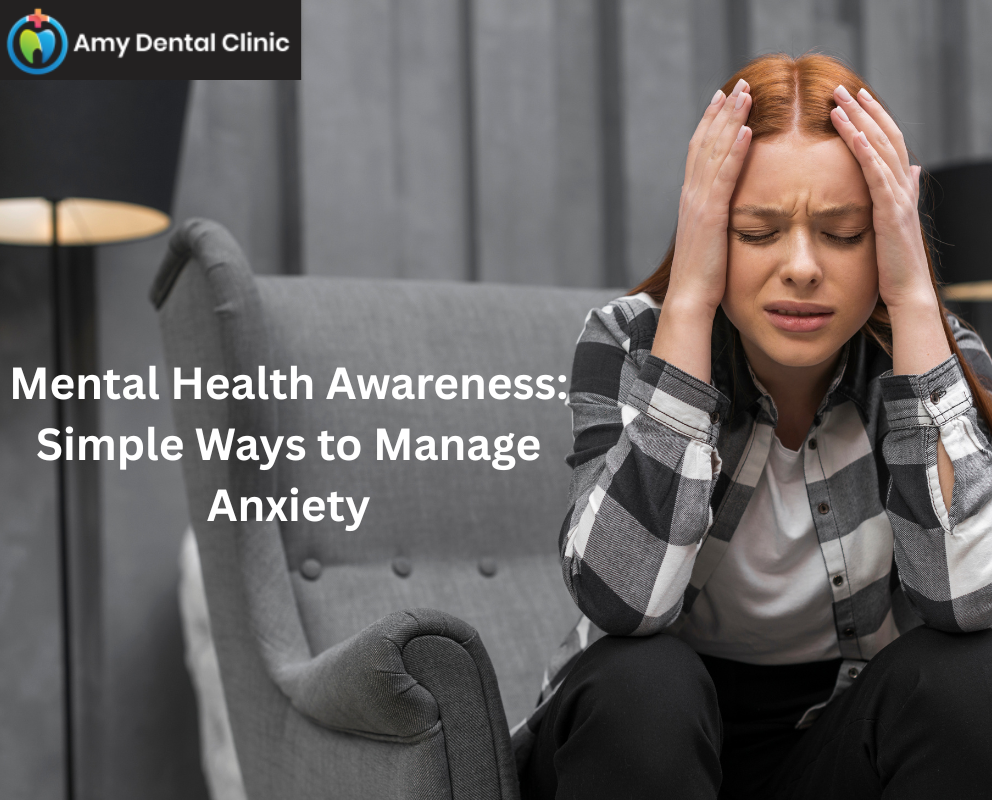
May is recognised as the National Mental Health Awareness Month in the USA, which helps to reduce stigma, educate the public, and promote resources for those living with mental illness. Let me also tell you that you are not alone in this mental health battle, as it is common in the United States and all around the world. Over one in five adults is thought to suffer from a mental illness.
These also include many different conditions that vary in degree of severity, ranging from mild to moderate to severe. Therefore, we can say that mental illnesses include those that are diagnosable currently or within the past year of sufficient duration to meet diagnostic criteria. Anxiety disorders are among the common and recognised categories of mental illness that affect nearly 30 percent of adults. In this blog, we are going to learn about simple ways to manage anxiety.
Mental health awareness aims to make sure that awareness regarding mental health issues reaches every person out there so that they can know about it and get the proper treatment accordingly. Mental health issues can be divided into 2 categories: Any Mental illness (AMI) and Serious Mental illness (SMI) can be used to describe these conditions. Let us explore both of these in more detail.
- Any Mental Illness: Any Mental illness can be described as a mental, emotional, and behavioral disorder. Its effects can range from no impairment to mild, moderate, or even severe impairment.
- Serious Mental Illness: Serious mental Illness can be explained as a mental, emotional, and behavioral disorder resulting in serious functional impairment, which substantially interferes with or limits one or more major life activities. Therefore, the burden of mental illness is particularly concentrated among those who experience disability due to SMI
What is Anxiety Disorder?
We all feel worried from time to time, but if worry is consuming your daily life or you are responding to certain things with fear and dread, then you may have an anxiety disorder. Anxiety can affect your relationship, work, and self-esteem as well as other aspects of your life. One in five adults in the USA lives with an anxiety disorder. The symptoms of anxiety disorders are unique, and not everyone who has an anxiety disorder will display the same ones.
Some of the symptoms of Anxiety disorder are mentioned below:
- Feeling restless or on edge all the time.
- Difficulty focusing or managing racing thoughts.
- Issues with sleep, such as difficulty falling or staying asleep.
- Your performance at work, school, or in relationships is impacted by your worries.
- Fear of being inadequate or displaying unachievable perfectionism.
- Experiencing physical symptoms of panic attacks, such as weakness, dizziness, shortness of breath, and a fast heartbeat.
Anxiety Disorder Treatment
Anxiety disorders can be treated in several ways. Your care team can help you choose the best combination of medication, counseling, and support to help you manage your anxiety disorder.
- Medication: Antipsychotic, antidepressant, and anti-anxiety drugs can help you regain control over your thoughts.
- Therapy: Anxiety can be effectively treated with therapy. Amy Dental offers talk therapy, occupational therapy, cognitive behavioral therapy, and other forms of therapy. Find out more about your options for therapy.
- Education: You and your family may feel more in control if you learn more about anxiety disorders, triggers, and advancements in anxiety treatment. Learn more about Mental Health Awareness.
Read More: Mental Health Awareness: How Anxiety Impacts Daily Life
Simple Ways to Manage Anxiety
As stated earlier, this blog will help you learn simple ways to manage anxiety. Also, remember that you are not alone in the battle of mental illness and anxiety treatment, as we, your family and loved ones, are always here with you to help you out. There are medicines available for the treatment of Anxiety which are xanax 1mg, xanax 2mg, and Ativan 2mg. Let us see below the various simple ways to manage anxiety:
- Get more physical activity: It was discovered that engaging in aerobic exercise two days a week considerably decreased both the overall and uncertainty-related perceptions of stress. It is also advised that you engage in two days of muscle-strengthening activity and 150 minutes of moderate-intensity exercise each week. Therefore, start with mild activities like walking or biking if you’re currently sedentary. Your chances of sticking with an activity over time can be increased by choosing something you enjoy.
- Eat a balanced diet: Individuals who consume a lot of ultra-processed foods and added sugar are more likely to feel stressed. Chronic stress might also cause you to overeat and eat more ultra-processed meals. You may be more susceptible to shortages in nutrients like magnesium and B vitamins, which are crucial for controlling stress and mood, if you don’t consume enough nutrient-dense whole foods. Reducing your consumption of highly processed meals and drinks and increasing your intake of whole foods can help guarantee that your body is well nourished and may increase your ability to handle stress.
Whole food options can include:
● Vegetables
● Nuts
● Seeds
● Fruits
● Beans
● Fish - Minimize screen time: Excessive smartphone use has been connected to higher stress levels in a number of studies. Additionally, screen time may have a detrimental effect on sleep, which may raise stress levels.
- Practice self-care: Self-care doesn’t have to be intricate or difficult. It simply means looking after your happiness and health. Self-care is linked to reduced stress and a better quality of life.
Self-care examples include:
● Taking a stroll outside
● taking a bath
● candlelighting
● enjoying a good book
● Working out
● preparing a healthy meal
● Before going to bed, stretch
● Receiving a massage
● practicing a hobby - Try journaling: Journaling may help relieve stress and provide a constructive outlet for your thoughts and emotions.
If you want to write in a more focused, expressive way, you can also try a guided journal. - Reduce your caffeine intake: A 2021 review of the literature found that excessive caffeine consumption may exacerbate stress. Additionally, excessive consumption can interfere with sleep, which can lead to more stress. It’s advised to limit daily caffeine intake to 400 mg, or 4–5 cups (0.9–1.2 L) of coffee, even though coffee has health benefits when consumed in moderation.
- Spend time with loved ones: Your general mental well-being depends on having a network of social support. A 2019 study of 163 Latinx young adults in college found that higher perceived stress was correlated with lower levels of support from friends, family, and romantic partners. Social support groups can be helpful if you have no family or friends to rely on. Think about volunteering for a cause that matters to you or joining a club or sports team.
- Create boundaries and learn to say no: You can lower your stress levels by being selective about what you take on and saying “no” to things that will needlessly increase your workload. Setting limits is a good way to safeguard your well-being, particularly with those who make you feel more stressed. Asking a friend or relative not to drop by unexpectedly or postponing plans if you’re feeling overburdened are two easy ways to do this.
- Take a yoga class: According to research, yoga can improve psychological health and lessen stress. Additionally, yoga may help raise levels of gamma aminobutyric acid, a neurotransmitter that is low in those with mood disorders, while lowering cortisol, blood pressure, and heart rate.
- Cuddle: Positive physical contact may help reduce stress, according to studies. These kinds of interactions could help reduce cortisol and release oxytocin. Consequently, these effects aid in lowering heart rate and blood pressure. Physical signs of stress include elevated heart rate and blood pressure.
- Spend time in nature: According to a review of 14 studies, college-aged individuals’ psychological and physiological indicators of mental health, such as perceived stress, may be improved by spending as little as 10 minutes in a natural setting.
- Practice deep breathing: Diaphragmatic breathing has been linked to stress reduction in studies. Exercises for deep breathing include:
● Breathing through the diaphragm
● Breathing through alternate nostrils
● Breathing in a box
The goal of deep breathing is to slow and deepen your breathing by concentrating your awareness on it. Your belly rises, and your lungs fully expand when you take a deep breath through your nose. This lowers your heart rate. - Spend time with a pet: Having a pet can lift your spirits and help you feel less stressed. Your body releases the feel-good hormone oxytocin when you touch or cuddle your pet. Additionally, owning a pet can reduce stress by:
● providing you with a purpose
● keeping you active
● supplying company - Consider supplements: Your body’s stress response and mood regulation are significantly influenced by a number of vitamins and minerals.
A lack of one or more nutrients may damage your mental health and ability to cope with stress. For instance, prolonged stress can cause your magnesium levels to drop. You might want to make sure you’re getting enough of this mineral every day because it’s crucial to your body’s stress response. For those who experience chronic stress, taking magnesium supplements has been associated with stress reduction.
Anxiety Disorder Causes and Risk Factors
Environmental stress, psychological stress, and biological stress are some of the factors that can lead to anxiety disorders. The following are a few risk factors for anxiety disorders:
- Severe childhood or adult trauma, such as being around violence or conflict.
- Variations in hormones.
- Abuse in childhood.
- Genetics: your risk rises if you have a family member with anxiety disorders.
- Your brain’s composition or operation
- Withdrawal while receiving treatment for drug use disorders
- Divorce, the death of a loved one, or any other trauma that causes separation.
- Brain injuries, sexual assault, choking, being in an accident, surviving a disaster, or getting hurt are examples of physical trauma.
Types of Anxiety Disorders
Anxiety is of various types, which are described below:
- Generalized Anxiety Disorder: Excessive and ongoing worry that interferes with day-to-day activities is a feature of generalized anxiety disorder. Physical symptoms like restlessness, feeling tense or easily tired, difficulty focusing, tense muscles, or trouble sleeping may accompany this persistent worry and tension. Often, the worries focus on everyday things such as job responsibilities, family health, or minor matters such as chores, car repairs, or appointments.
- Panic Disorder: Recurrent panic attacks, an intense mix of physical and psychological distress, are the primary symptom of panic disorder. Some people who have a panic attack may think they are suffering from a heart attack or another serious illness because the symptoms can be quite severe. They might visit the emergency room of a hospital. Panic attacks can be unexpected, seemingly happening for no reason, or expected, like a reaction to a feared object. Panic disorder typically manifests between the ages of 20 and 24. Other mental illnesses, like depression or PTSD, can also cause panic attacks.
- Phobias, Specific Phobia: An excessive and enduring fear of a particular, usually harmless object, circumstance, or activity is called a specific phobia. Patients are aware that their fear is unreasonable, but they are unable to get over it. Some people go to great lengths to avoid their fears because they are so distressing. Fear of flying, public speaking, and spiders are a few examples.
- Agoraphobia: The fear of being in circumstances where leaving is difficult or embarrassing, or where assistance is unavailable in the event of panic symptoms, is known as agoraphobia. The fear is excessive for the circumstances, persists for at least six months, and hinders functioning. An individual suffering from agoraphobia experiences this fear in two or more of the following situations:
● Using public transportation
● Being in an open space
● Being in enclosed spaces
● Standing in line or in a crowd.
● Being outside the house alone - Social Anxiety Disorder (previously called social phobia): Significant anxiety and discomfort about being rejected, humiliated, embarrassed, or denigrated in social situations characterize a person with social anxiety disorder. Individuals who suffer from this disorder will either try to avoid the situation or endure it with extreme anxiety. Common examples are extreme fear of public speaking, meeting new people, or eating/drinking in public. For at least six months, the fear or anxiety interferes with day-to-day functioning.
- Separation Anxiety Disorder: When someone has separation anxiety disorder, they experience extreme fear or anxiety when they are separated from the people they are attached to. The emotion is not age-appropriate, lasts for at least four weeks in children and six months in adults, and interferes with functioning. A person suffering from separation anxiety disorder may be reluctant or refuse to go out or sleep away from home or without the person they are closest to, or they may have nightmares about being apart. Although they can persist into adulthood, physical signs of distress typically appear in childhood.
Frequently Asked Question
What are 5 coping skills for anxiety?
Why only 5 coping skills for anxiety when we have various ideas that can help you let go of anxiety, such as
● Deep Breathing
● Visualization
● Positive Affirmations
● Guided Imagery
● Mindful Meditation
● Grounding Exercises
● Distraction Games
● Talking to supportive friends
● Stretching
● Setting small achievements
● Practicing Yoga
How do I calm my anxiety?
To calm your anxiety, you can perform deep breathing and mindfulness, listen to music, or seek professional guidance
What is the 3-3-3 rule for anxiety?
The 3-3-3 rule for anxiety is to look around your environment to identify three objects as well as three sounds, and then move any three body parts.
What drinks help reduce anxiety?
The calming drinks that help in reducing anxiety can be herbal teas (lavender, peppermint, chamomile, and lemon balm), green tea, matcha, warm milk, and proper hydration. So these drinks can help you reduce anxiety.